
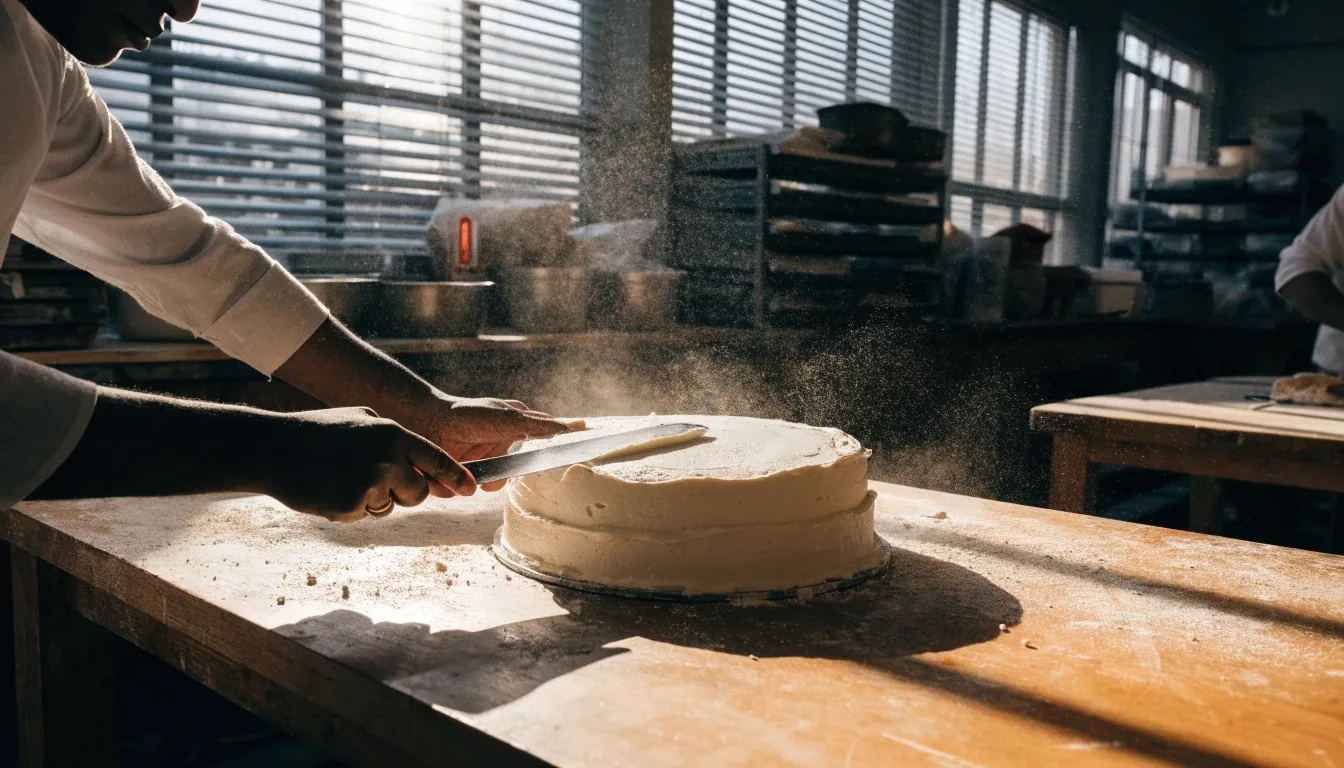
مخبز وكعك مخصص · شارع التخصصي، الرياض
كعك مخصص لمناسباتك في الرياض
نخبز كعكات المناسبات وطلب مسبق بطبقتين، ونزيّنها يدويًا بحسب نكهتك ورسالتك. تصف لنا المناسبة، ونجهّز الكعكة للاستلام من الفرع في حي المعذر أو لتوصيلها للمناسبة.
كيف تطلب كعكتككعك مخصص يبدأ من وصف المناسبة
نشتغل على الكعك المخصص بالطريقة نفسها في كل طلب: نسمع منك عدد الضيوف، ولون المناسبة، وأي تفصيلة تهمك، ثم نرسم المقاس المقترح ونقترح النكهات والحشوات المناسبة. لا يوجد مقاس واحد يصلح لكل مناسبة، ولا نكهة واحدة ترضي كل الأذواق؛ لذلك نقترح ونعدّل معك حتى تصبح الكعكة مناسبة لما تريده فعلًا.
الكعكات تُخبز بعد تأكيد الطلب، والتزيين اليدوي يجري في يوم التسليم حتى تصل الكعكة بحالة جيدة. يمكنك اختيار كعكة عيد ميلاد، كعكة زفاف، أو كعكة بصورة مطبوعة، وأي رسالة تكتب على الكعكة نجهّزها بحروف واضحة.
اختر الصنف الذي يناسب مناسبتك
كل صنف له طريقة تحضير مختلفة قليلًا: الكعكة المخصصة تُبنى على مقاس مناسبتك، وكعكة المناسبة تُزيّن بما يناسب الحدث، والكب كيك والحروف والأرقام تُطلب غالبًا للمدارس والاحتفالات الصغيرة.
نطلب التصميم قبل الخبز، لا بعده. هذا ما يجعل التزيين اليدوي يصل إلى الطاولة كما وصفته في الطلب.
خط التحضير في مخبز شكرا يوغا
نكهات وحشوات متعددة، وطبقتان أو طبقة واحدة بحسب عدد الضيوف، ورسالة على الكعكة تُكتب بالحجم الذي تطلبه. إن كانت المناسبة رسمية، ننصح بمقاس أكبر وطبقة إضافية لتحمل التزيين وقت العرض.
ثلاث مراحل من الوصف إلى الاستلام
وصف المناسبة والمقاس
تخبرنا بنوع المناسبة وعدد الضيوف. نبني على هذا المقاس المقترح وعدد الطبقات، ثم نتفق على الشكل العام قبل بدء التحضير. لو كانت الصورة المرجعية بسيطة، نخبرك ما يمكن تنفيذه وما يحتاج تعديلًا.
النكهات والحشوات
نقترح النكهات والحشوات بحسب الطقس ووقت العرض. في مناسبات الرياض الحارة، بعض الحشوات أثقل من غيرها؛ نرشّح لك ما يثبت على الطاولة حتى لحظة التقديم. الكعكة بصورة مطبوعة تحتاج توقيتًا مختلفًا قليلًا، نوضحه وقت الطلب.
التزيين والاستلام
التزيين اليدوي يجري في يوم التسليم. يمكنك الاستلام من الفرع في حي المعذر، أو ترتيب توصيل للمناسبة داخل الرياض. نعطيك وقتًا محددًا للاستلام حتى ترتّب باقي المناسبة حوله.
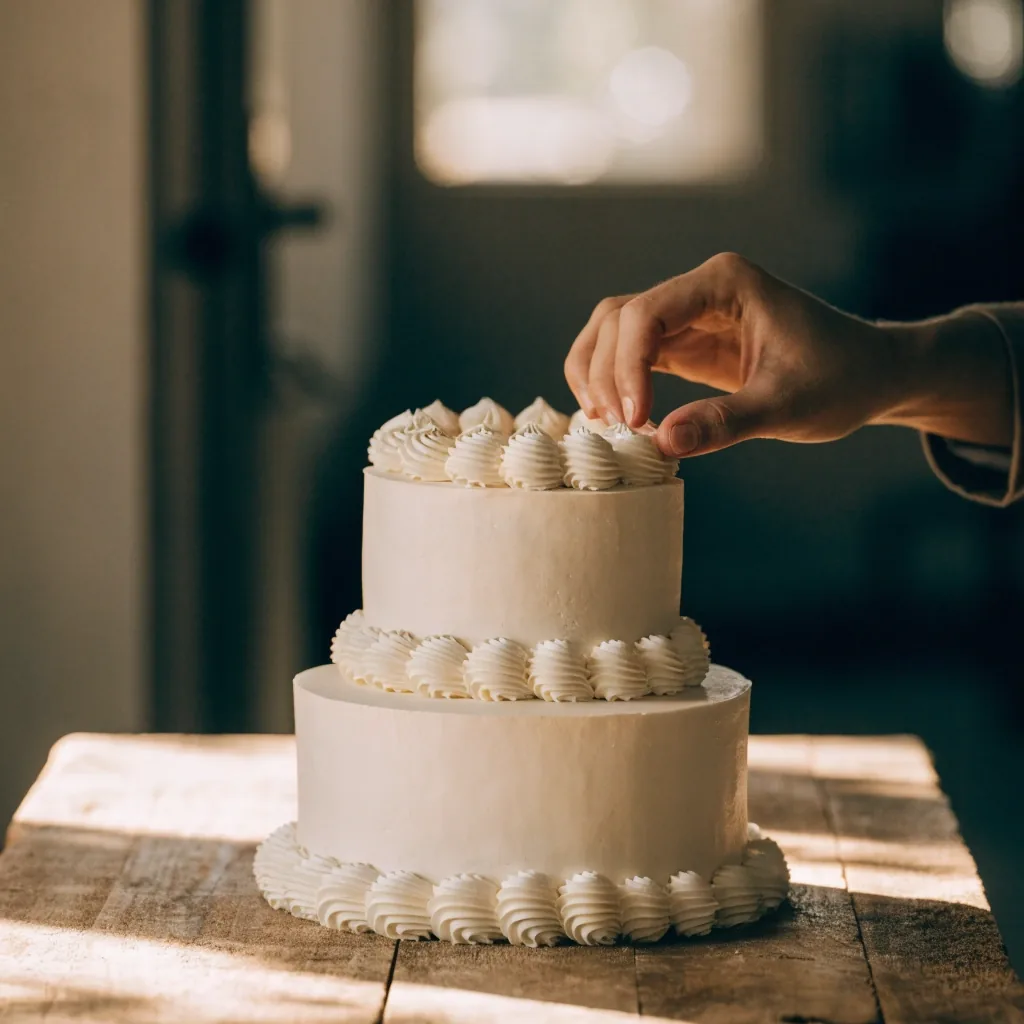
طبقتان أم طبقة واحدة؟ القرار يبدأ من عدد الضيوف
الطبقتان مناسبتان للمناسبات الكبيرة أو حين تريد ارتفاعًا يظهر على الطاولة. الطبقة الواحدة تكفي للاحتفالات الصغيرة والعزائم العائلية. لو كان الحضور مختلطًا بين الكبار والأطفال، غالبًا نرشّح طبقة أوسع وأقل ارتفاعًا لتناسب التقديم على أطباق صغيرة.
أخبرنا بعدد الضيوف التقريبي وما إذا كانت الكعكة هي الحلوى الوحيدة في المناسبة، وسنحدد معك المقاس المناسب. الطلب المسبق مطلوب دائمًا لأن الكعكات تُخبز بعد التأكيد، وليس لدينا كعكات جاهزة للبيع الفوري.
صور من التحضير والتسليم
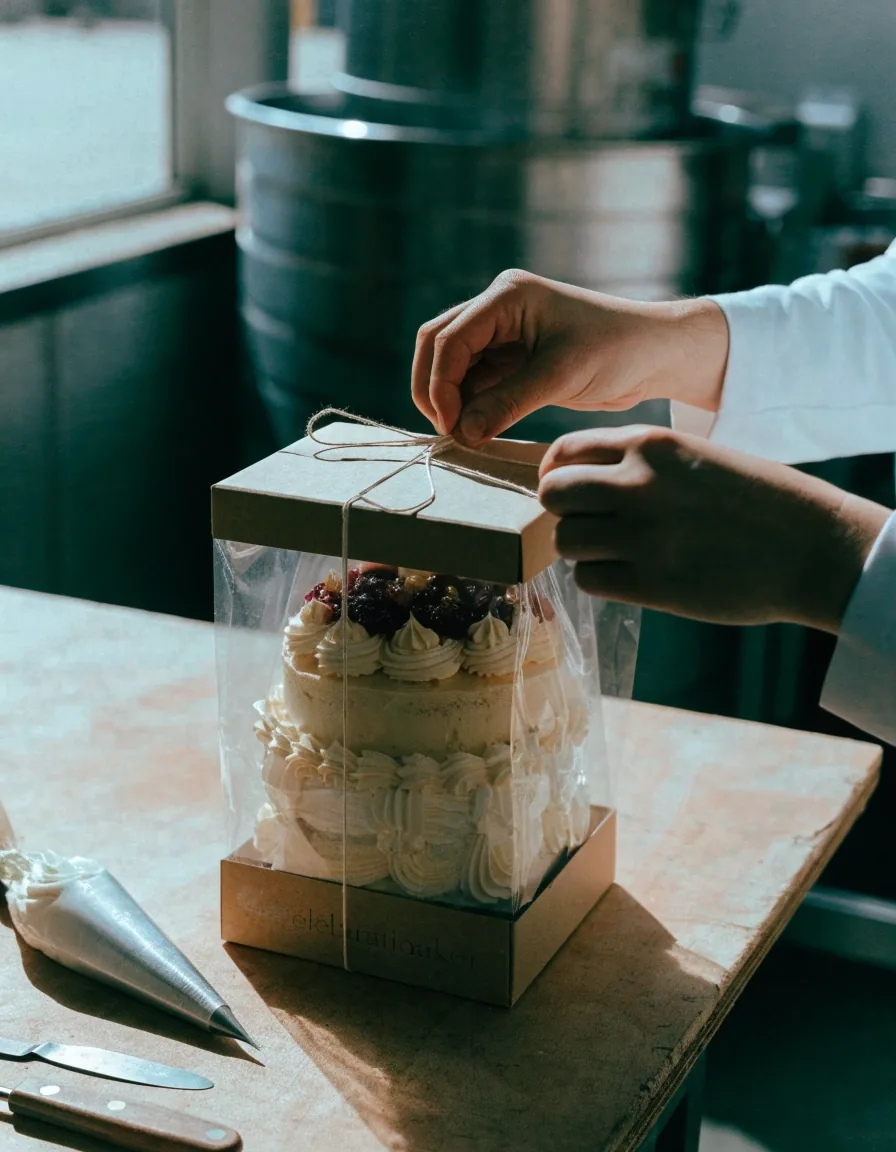
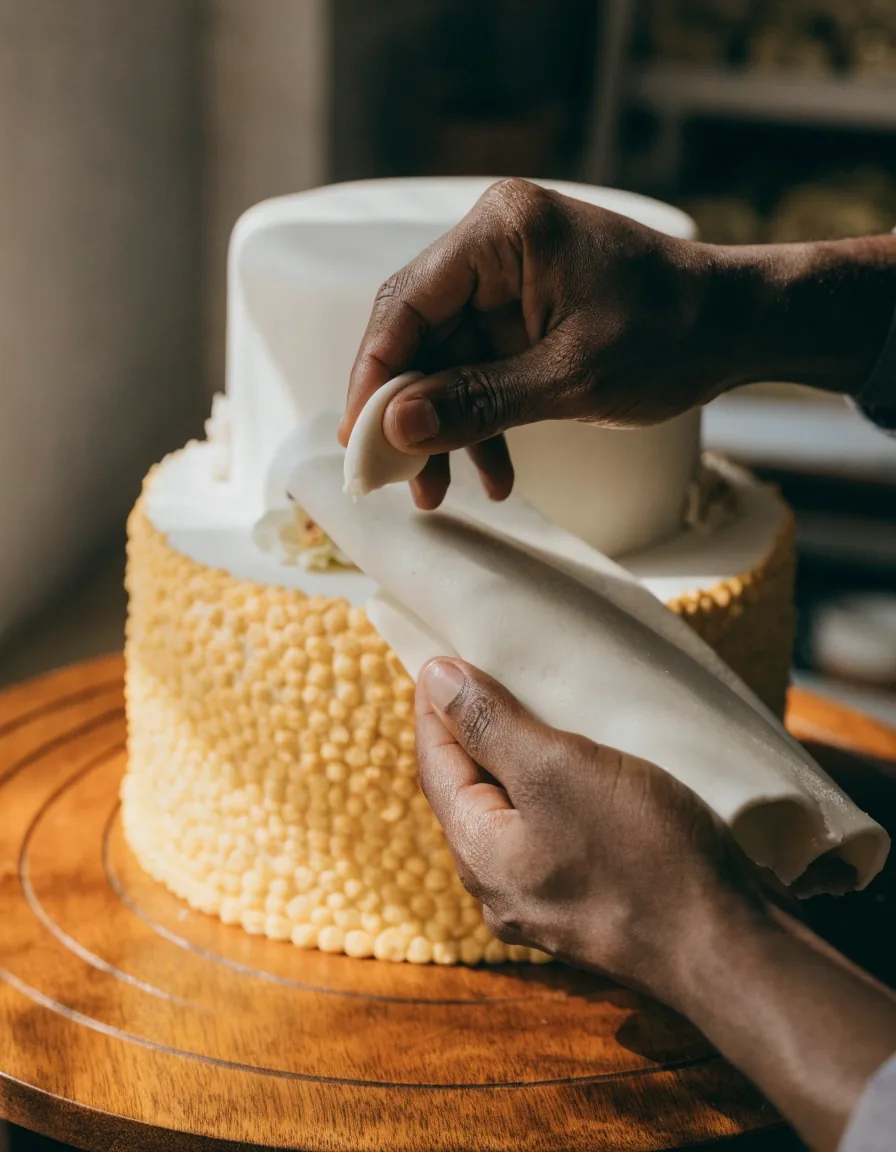
هذه لقطات من يوم عمل عادي: خبز الطبقات، التزيين اليدوي، وترتيب الكعكة قبل التسليم. لا نعرض كعكات جاهزة معروضة للبيع، لأن كل طلب يُخبز بعد التأكيد.
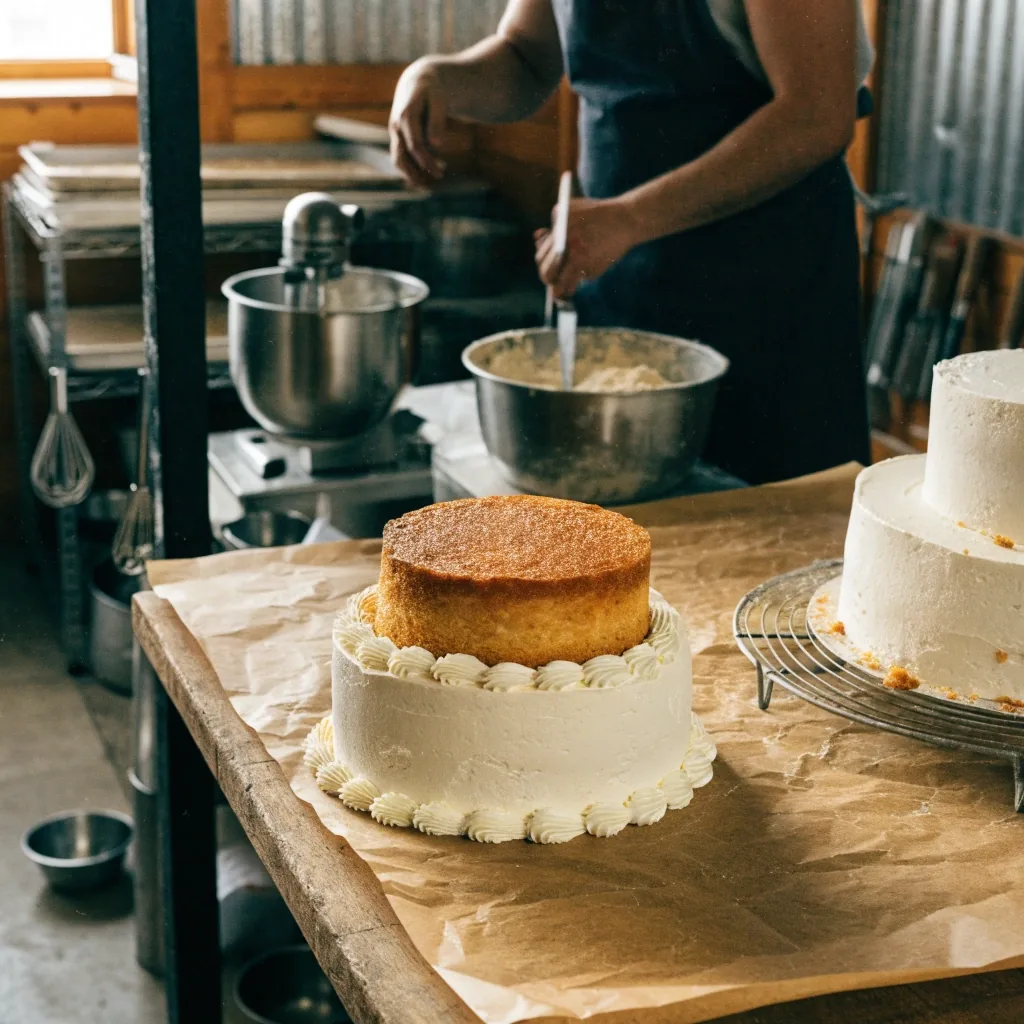
مقارنة الطبقات على طاولة واحدة
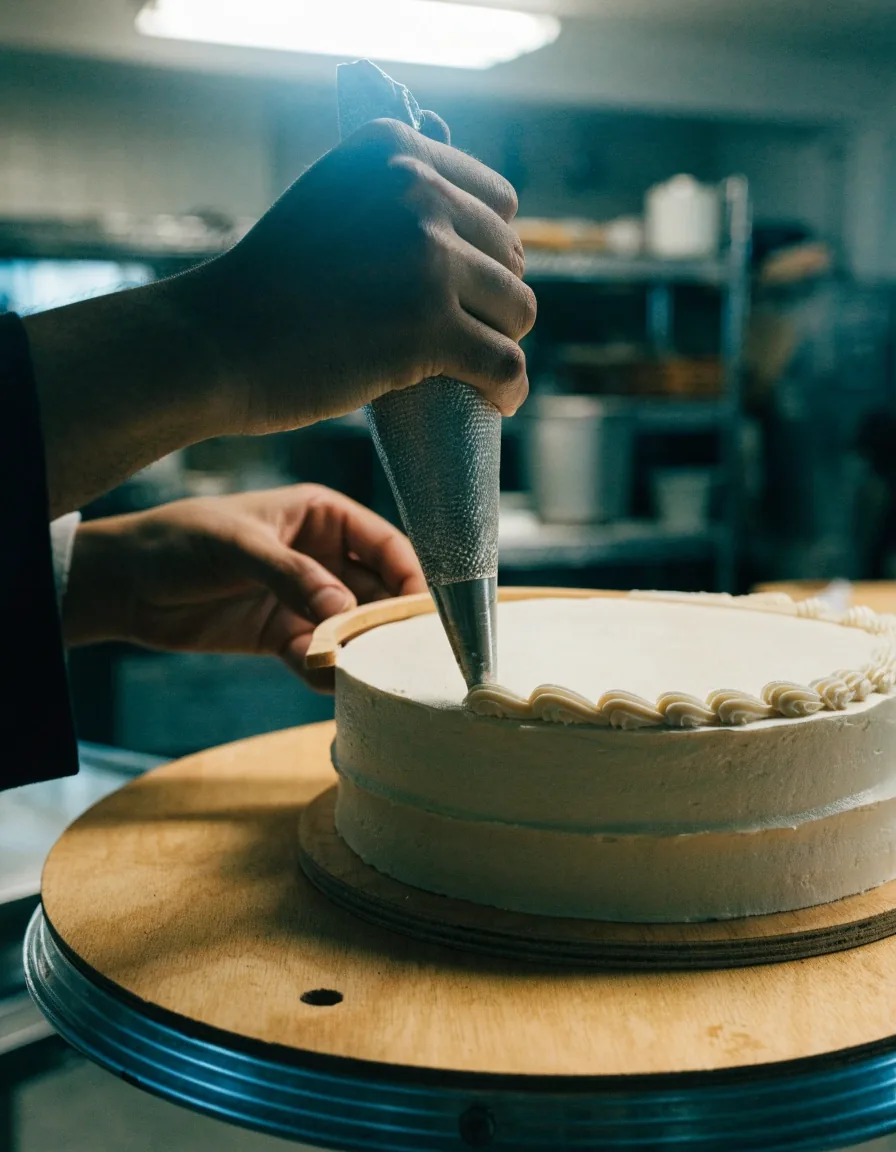
تزيين يدوي في يوم التسليم
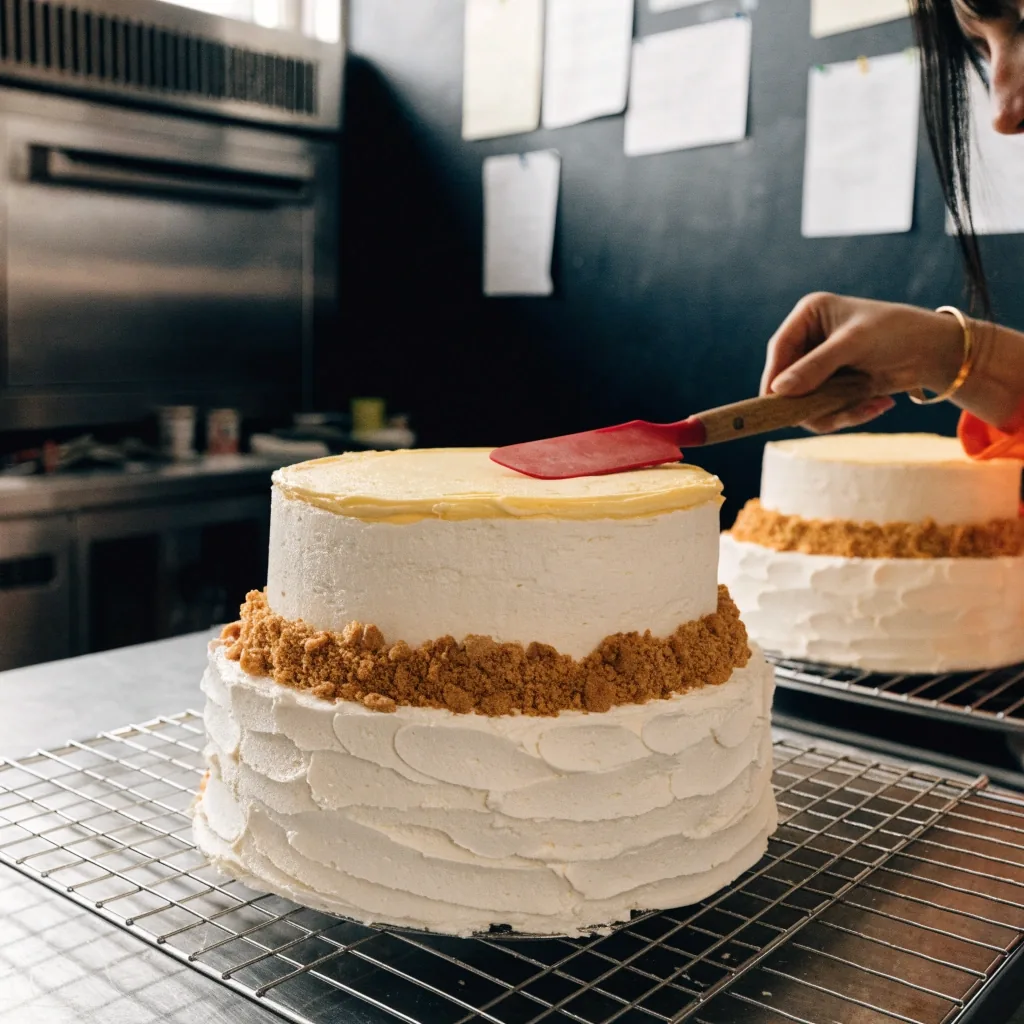
تجهيز الطلب قبل الاستلام
معلومات تهمّك قبل الطلب
طلب مسبق
كل كعكة تُخبز بعد تأكيد الطلب. الحجز المبكر يعطينا مجالًا أفضل للتفاصيل المعقدة، لكننا نستقبل الطلبات القريبة حسب الجدول المتاح في اليوم.
الاستلام والتوصيل
الاستلام من الفرع في حي المعذر، أو توصيل للمناسبة داخل الرياض بعد الاتفاق على الوقت والعنوان. الكعكات المزينة يدويًا تحتاج حملًا مستقيمًا ودرجة حرارة مناسبة.
النكهات والحساسيات
أخبرنا بأي حساسية غذائية أو مكوّن تريد تجنّبه قبل تأكيد الطلب. بعض البدائل تؤثر على الطعم أو الثبات، لذلك نناقشها معك قبل الخبز لا بعده.
المقاسات والأسعار تُحدَّد بعد وصف الطلب، لأنها تعتمد على عدد الطبقات والنكهة ومقدار التزيين اليدوي.
أسئلة تتكرر قبل الطلب
كم يومًا قبل المناسبة أطلب الكعكة؟
كلما كان الطلب أبكر، كان مجال التعديل على التصميم والنكهة أوسع. الطلبات القريبة ممكنة حسب جدول المخبز في ذلك اليوم، لكن الكعكات المعقدة أو المصورة تحتاج وقتًا أطول للتجهيز. اسألنا عن اليوم الذي تريده وسنخبرك بصراحة إن كان ممكنًا.
هل يمكن طباعة صورة على الكعكة؟
نعم، الكعكة بصورة مطبوعة خيار متاح. الأفضل أن تكون الصورة واضحة وإضاءتها جيدة، لأن التفاصيل الصغيرة قد لا تظهر كما في الشاشة. أرسل الصورة عند الطلب وسنوضح أي تعديل مطلوب لتناسب مساحة الكعكة.
ما الفرق بين الكعكة المخصصة وكعكة المناسبة؟
الكعكة المخصصة تُبنى من وصفك أنت: المقاس، الطبقات، النكهة، وطريقة التزيين. كعكة المناسبة تكون مرتبطة بنوع الحدث — عيد ميلاد، زفاف، أو تخرّج — ونجهّز لها الشكل المناسب للحدث. الاثنان يُخبزان بعد التأكيد ولا يوجد فرق في وقت التحضير.
هل تنفذون رسالة على الكعكة بحروف عربية؟
نعم، الرسالة على الكعكة تُكتب بالحروف التي تطلبها، عربية أو غيرها. أرسل النص كاملًا كما تريد ظهوره، مع التشكيل إن كان يهمك، وسنخبرك بالمساحة المتاحة على المقاس الذي اخترته.
أين يقع الفرع ومتى يستقبل الاستلام؟
الفرع في شارع التخصصي، حي المعذر، الرياض 12331. الاستلام خلال ساعات العمل من السبت إلى الخميس، والجمعة مغلق. نحدد لك وقتًا تقريبيًا للاستلام عند تأكيد الطلب حتى ترتّب باقي المناسبة.
تواصل مع المخبز
أرسل وصف مناسبتك وعدد الضيوف التقريبي، وسنرد بسؤال أو اثنين لتوضيح الطلب قبل تحديد المقاس والسعر. لو كنت تعرف التفاصيل بالفعل، اذكرها كاملة في الرسالة الأولى لتوفير الوقت.
بيانات الفرع
- شارع التخصصي، حي المعذر، الرياض 12331، المملكة العربية السعودية
- +966 11 482 9934
- info@chakrayogaltd.com
- السبت – الخميس: 9:00 صباحًا – 6:00 مساءً · الجمعة: مغلق
اطلب كعكة مناسبتك
أرسل وصف المناسبة، عدد الضيوف، والتاريخ الذي تحتاجه. نراجع الجدول ونرد عليك بالمقاس المقترح والخطوة التالية.
الفرع
شارع التخصصي، حي المعذر، الرياض 12331
السبت – الخميس: 9:00 صباحًا – 6:00 مساءً
شكرا يوغا لتقنيات المخبوزات · الرياض